How Things Work Junior STEM Pod
Small Hands. Big Questions. Real Discovery.
A 14-session hands-on STEM program for curious children ages 5–7 who want to build, explore, and discover how everyday things work.
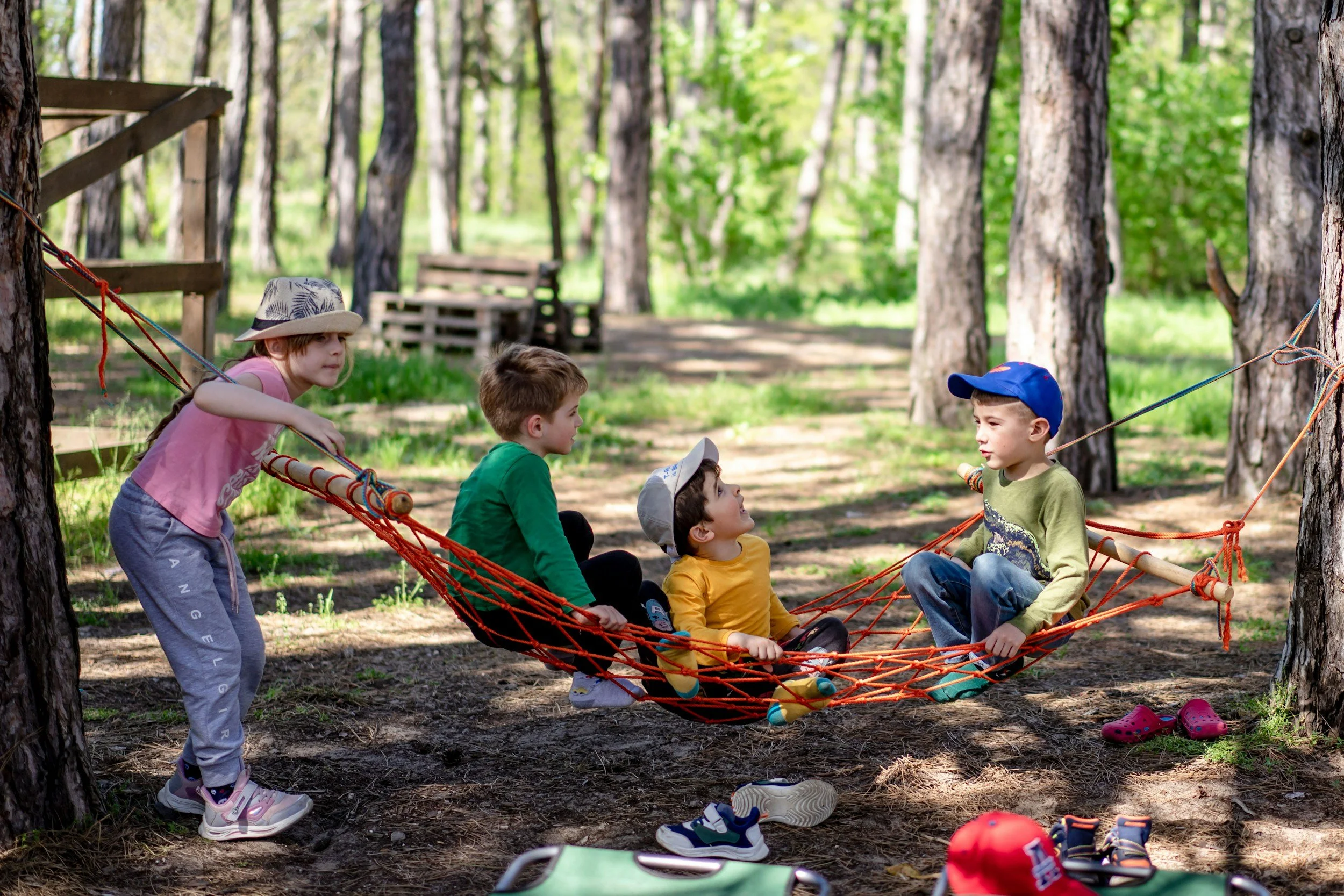
Young children are natural investigators. They pull, push, stack, spin, open, close, pour, connect, and ask an endless stream of questions. Junior How Things Work gives that curiosity somewhere meaningful to go.
Through guided exploration, children investigate tools, wheels, ramps, levers, pulleys, springs, water systems, magnets, boats, bridges, and propulsion. They work with real materials, make predictions, test ideas, and begin learning that the world around them is understandable.
Ages 5–7 | 14 Weekly Sessions | 75 Minutes | Small Groups of Up to 8 | Dorado, Puerto Rico

Young Children Deserve Real Science Exploration, Too.
Junior How Things Work is playful, but it is not simply playtime with a science theme.
Children are introduced to genuine scientific and engineering ideas in language they can understand. They learn that wheels reduce friction, ramps make lifting easier, pulleys change the direction of a force, and valves control the movement of water.
No one expects a six-year-old to use technical vocabulary perfectly or explain every mechanism independently. The goal is to help children begin noticing patterns, making connections, and asking increasingly thoughtful questions.
Instead of memorizing isolated facts, students learn to wonder:
Why does this roll instead of slide?
What makes this part move?
Why is one bridge stronger than another?
How can we lift something heavy?
What makes a boat stay upright?
Where does the water go?
What could we change to make this work better?
These early habits of observation and investigation create a foundation for deeper learning later.
What the Children Will Do
Explore Real Objects
Children examine familiar objects and systems such as bicycles, wheels, pulleys, pumps, bridges, valves, and wind-up mechanisms.
Build with Purpose
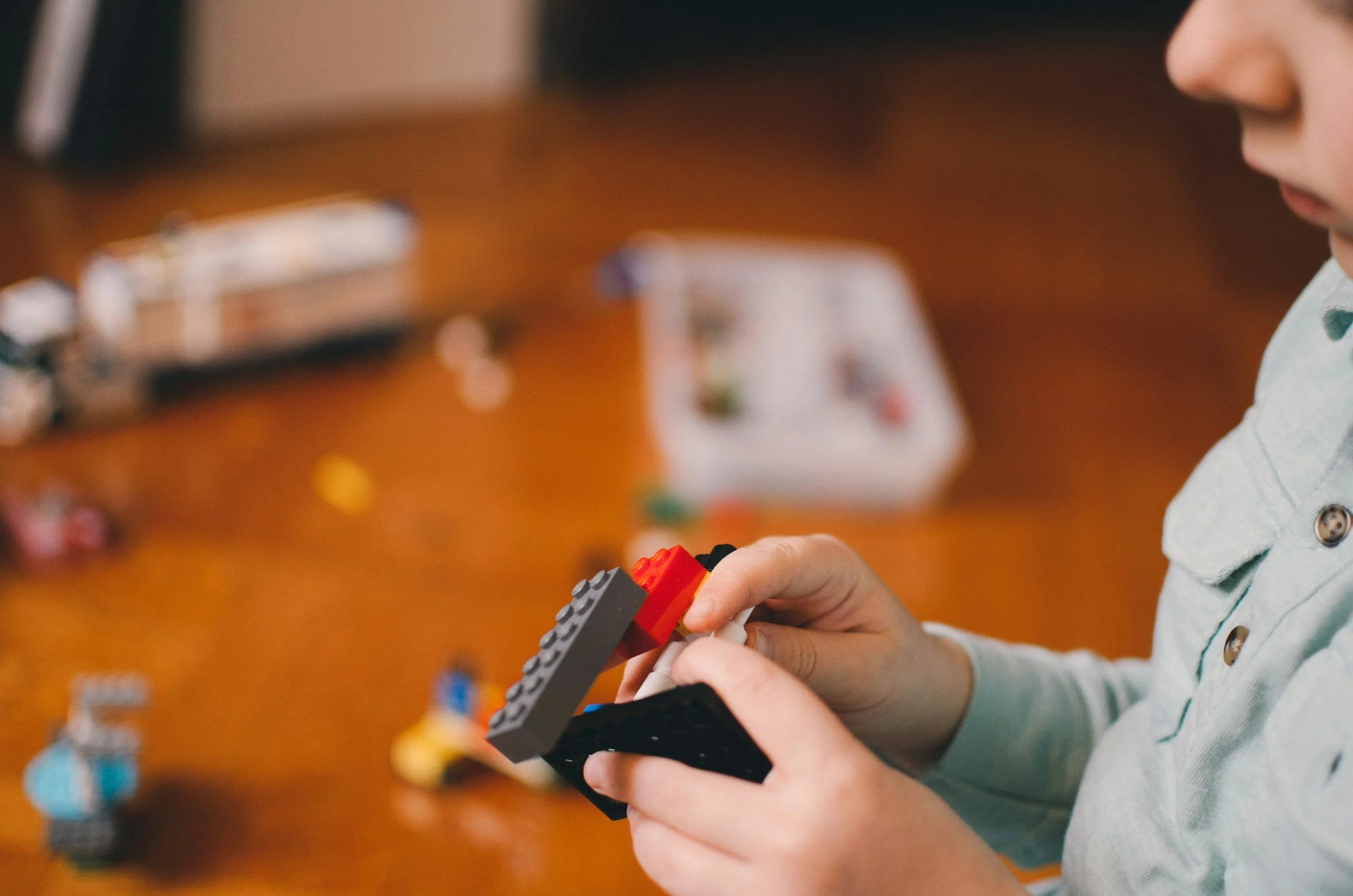
Each project is connected to a question or mechanical idea. Children do not merely assemble something attractive—they build in order to discover how it works.
Make Predictions
Before testing a ramp, bridge, boat, or moving object, children are encouraged to predict what may happen and explain their thinking.
Test and Try Again
Children learn that the first attempt does not always work—and that this is a normal part of building and learning.
Use Beginning Tools
Students are gradually introduced to carefully selected, age-appropriate tools and learn how to handle materials responsibly.
Talk About Discoveries
Children share what they noticed, what surprised them, what changed, and what they may try differently next time.
Skills Children Begin to Develop
Junior How Things Work supports early STEM learning while strengthening many of the broader skills young children need to become capable, confident learners.
Children practice:
Careful observation
Asking meaningful questions
Predicting and testing
Comparing volume, shape, weight, speed, and movement
Recognizing cause and effect
Following a multistep process
Using simple tools safely
Measuring and estimating
Building and revising
Solving practical problems
Listening and taking turns
Sharing materials and ideas
Explaining what they notice
Persisting when something does not work immediately
Cleaning, sorting, and caring for a workspace
The 14-Lesson Journey Into How Things Work
-
Session One: Tool School
Tools Help Us Do Work
Children are introduced to a carefully selected group of real and child-appropriate tools. They learn what each tool is designed to do, how to carry and store it, and why safe habits matter.
-
Session Two: Wheels and Axles
Why Is Rolling Easier?
Students investigate how wheels and axles help objects move. They compare rolling and sliding, test different wheel sizes, and build a simple wheeled creation.
-
Session Three: Ramps and Levers
Making Hard Work Easier
Children explore how ramps and levers help people move or lift objects. They test different ramp heights, compare the effort required, and investigate how the position of a lever changes what it can do.
-
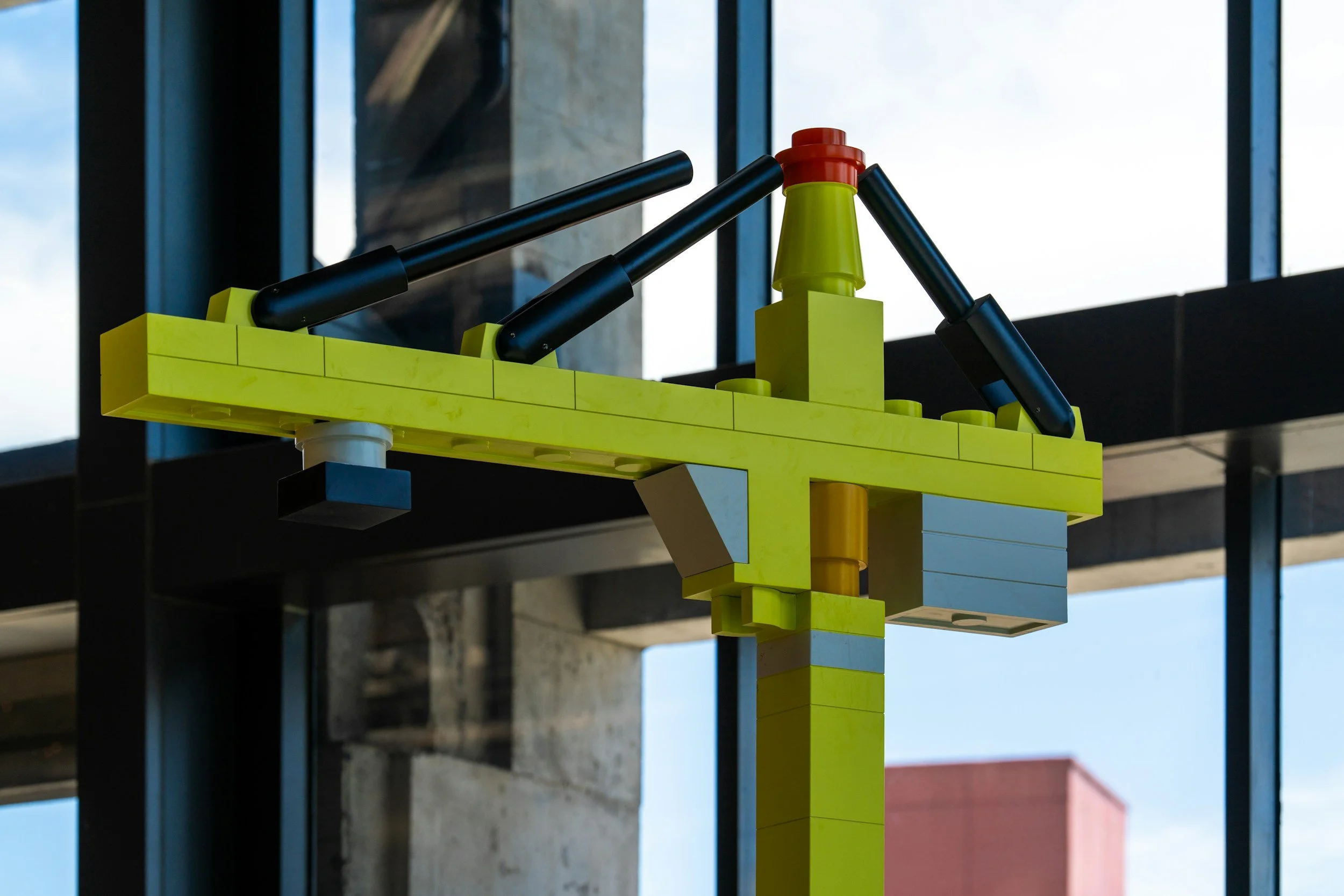
Session Four: Pulleys and Cranes
Lifting Up, Pulling Down
Students discover how pulleys can change the direction of a pull. They experiment with ropes, wheels, loads, and simple lifting systems before building or operating a small crane.
-
Session Five: Springs, Spools and Wind Up Machines
Storing Energy for Later
Children examine objects that stretch, spring, wind, or snap back. They explore how energy can be stored and released through rubber bands, springs, spools, and simple wind-up mechanisms.
-
Session Six: Bicycle Day
Many Parts, One Machine
Using a bicycle as a large, familiar mechanical system, students investigate wheels, pedals, chains, gears, brakes, handlebars, and balance. They trace how the rider’s actions cause other parts of the bicycle to move.
-
Session Seven: Water Flow and Valves
Starting and Stopping Water
Students investigate how water moves through tubes and containers. They explore simple valves, gates, seals, and connections that can start, stop, redirect, or slow the flow of water.
-
Session Eight: Pumps and Moving Water
How Can We Make Water Travel?
Children use simple pumps and water-moving devices to explore pressure, suction, squeezing, and displacement. They test different ways to move water upward, sideways, and from one container to another.
-
Session Nine: Magnets and Magnetic Machines
Push, Pull, and Move Without Touching
Students investigate attraction and repulsion using permanent magnets. They test which materials respond to magnets and create a simple machine or moving system controlled by magnetic force.
-
Session Ten: Boats, Floating and Balance
What Helps a Boat Stay Afloat?
Children compare materials and shapes to discover what floats, what sinks, and what helps a boat remain balanced. They build and test small boats, add loads, and revise their designs when necessary.
-
Session Eleven: Bridges
Building Across a Gap
Students examine how bridges span spaces and carry weight. They compare shapes, supports, and materials before designing and testing a bridge of their own.
-
Session Twelve: Propulsion
Children investigate how air, water, stored energy, and pushing forces can make objects move. They build and test simple propelled vehicles or rockets while exploring direction, distance, and stability.
-
Session Thirteen: Junior Expo Preparation
Description gChoose, Rebuild, and Practice
Children work with a partner to select a favorite topic from the program. They rebuild, improve, or revisit an earlier project and prepare a simple explanation or demonstration.
The focus is not on a polished presentation. Children practice telling others what they made, what it does, and what they discovered.
-
Session Fourteen: Junior Engineering Expo
Show What You Discovered
Students share their selected projects and demonstrations with the group and invited family members.
The final session celebrates curiosity, growing confidence, practical skills, and everything the children learned to notice about the world. The expo concludes with pizza and time to enjoy the accomplishments of the group.
What a Typical Session Looks Like
Young children learn best when the pace changes regularly and when listening is balanced with movement, investigation, and building.
Each 75-minute session generally includes:
Welcome and Wonder Question
Children are introduced to the day’s object, mechanism, or problem through a question such as, “How could we lift this without picking it up?”
Safety and Tool Demonstration
Before materials are distributed, students learn exactly how the day’s tools and components should be used.
Guided Investigation
The group examines a real object, watches a mechanism move, compares materials, or tests an instructor-led demonstration.
Building and Testing
Children work independently, with a partner, or in a small team to complete a purposeful building challenge.
Movement and Reset
Short transitions and movement opportunities help students remain attentive and ready for the next part of the session.
Share and Reflect
Children demonstrate what they created and talk about what worked, what changed, or what they discovered.
Cleanup and Tool Care
Students help sort materials, return tools, and restore the workspace. Taking care of equipment is treated as part of the learning process.
Inside a Sample Session:
Lifting Up, Pulling Down
During the Pulleys and Cranes session, children begin with a simple challenge: lift a small load without picking it up directly.
They first try pulling the load upward with a rope. The group then investigates what changes when the rope passes over a pulley and the child can pull downward instead.
Students explore questions such as:
Does the pulley change which direction we pull?
What happens when the load becomes heavier?
How can we keep the rope from slipping?
Where should the pulley be attached?
What makes a crane stable?
Children then use a pulley, string, a winding spool, and construction materials to create or operate a simple lifting device.
The session may look playful—and it is—but underneath the play, students are developing an early understanding of force, direction, stability, mechanical advantage, and design.
Designed for Ages 5-7
The program is intentionally designed around the developmental needs of young learners.
That means:
Instructions are presented in short, clear steps.
Demonstrations are concrete and highly visual.
Technical ideas are explained through familiar language and examples.
Activities alternate between listening, moving, building, and discussing.
Projects allow for different levels of fine-motor ability.
Children receive help without having every challenge completed for them.
Repetition is used to strengthen safety habits and practical skills.
Success is measured through participation, growth, discovery, and increasing independence—not through perfect finished products.
Children are never expected to perform like older engineering students. They are treated as capable young learners who can understand substantial ideas when those ideas are presented appropriately.
Is This Program a Good Fit?
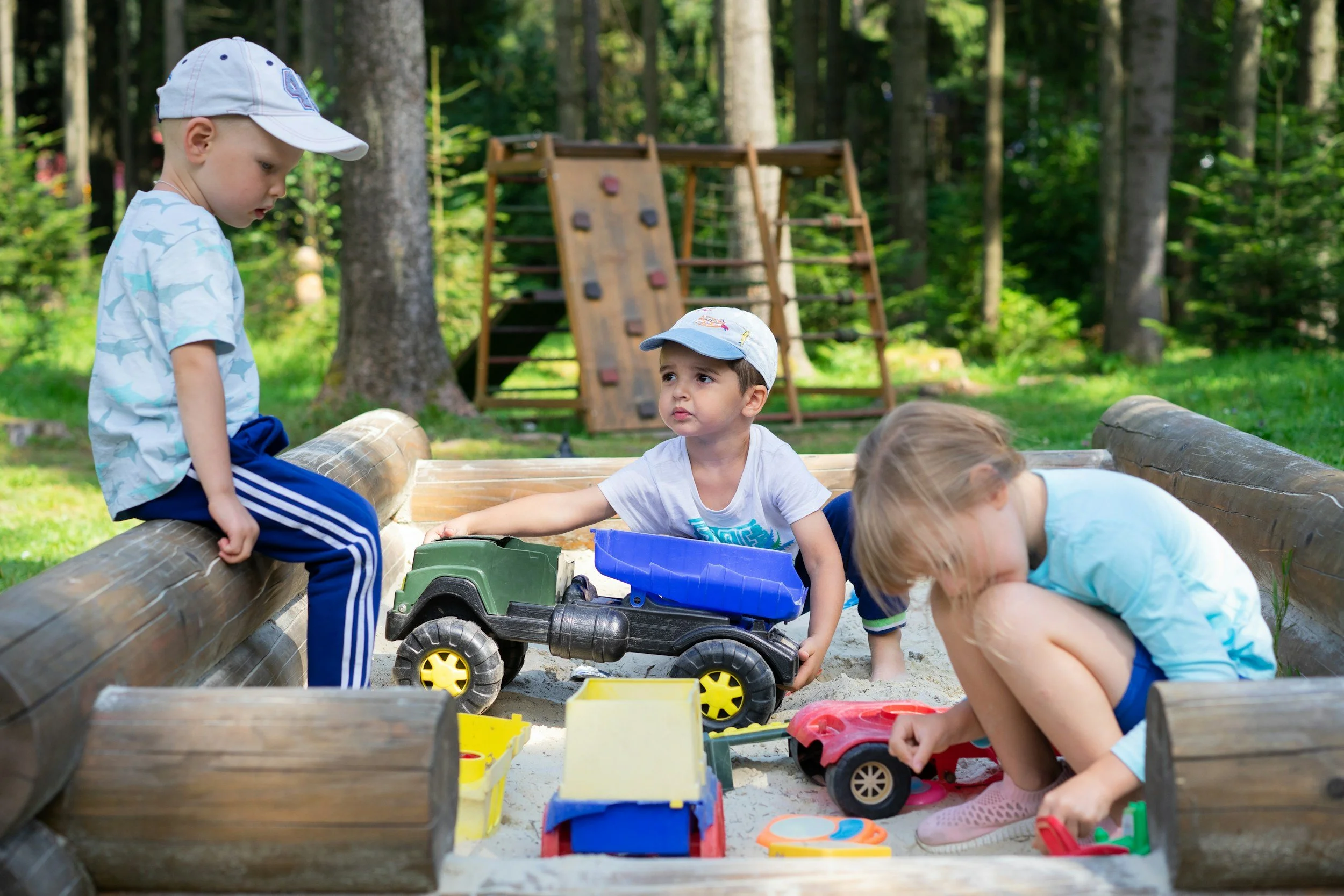
Junior How Things Work may be a strong fit for children who:
Frequently ask how or why things work
Enjoy building, moving, stacking, connecting, or experimenting
Are interested in tools, vehicles, water, machines, or structures
Like to work with their hands
Can participate in a small group for 75 minutes with age-appropriate support
Are beginning to follow multistep directions
Can respect basic safety boundaries
Enjoy sharing discoveries with other children
Previous STEM or tool experience is not required.
Children do not need to be unusually advanced, but they should be ready for a purposeful enrichment experience rather than unstructured childcare.
Safety Is Part of the Curriculum
Parents of younger children should know exactly how tools, materials, movement, and supervision are handled.
Safety is built into every session through:
A maximum group size of eight students
Direct adult supervision
Clear demonstrations before children touch tools or equipment
Repeated safety language and routines
Age-appropriate tool and material selection
Protective eyewear when appropriate
Instructor control of any cutting, drilling, heated, sharp, electrical, or otherwise advanced step
Careful selection and inspection of objects used for investigation
Clear rules about walking, carrying tools, and waiting for instructions
Organized work areas with defined places for tools and materials
Collection of emergency contacts, allergy information, and relevant medical needs before participation
Children are taught that stopping, asking for help, and recognizing when something is unsafe are signs of good judgment.
Program Details
Ages: 5–7
Program length: 14 weekly sessions
Session length: 75 minutes
Group size: Minimum of 6 and Maximum of 8 students
Location: A participating family’s home or another suitable parent-provided location in Dorado
Format: Guided demonstrations, hands-on investigations, purposeful building projects, partner work, discussion, and movement
Language: Instruction may be provided in English, with bilingual support available when helpful
Enrollment: Families may request an individual place in a forming group or organize a complete or partial private pod
What Tuition Includes
Program tuition includes:
Fourteen 75-minute instructional sessions
Use of tools and reusable program equipment
Building materials and consumable supplies
Real objects and mechanisms used during guided investigations
Safety equipment required for program activities
Student project materials
Junior Engineering Expo preparation
Final family expo and celebration
Preparation and instruction by an experienced certified educator
Complete tuition, schedule, deposit, and payment information will be provided when a specific group opens for enrollment.
FAQs
Does my child need to know how to use tools?
No. Tool identification, handling, safety, and care are introduced gradually. Children begin with simple tools and receive direct guidance throughout the program.
Will the students use real tools or toy tools?
Students use a combination of real, carefully selected hand tools and developmentally appropriate equipment. The tool depends on the task, the child’s age, and the level of adult control required.
Will the children disassemble appliances?
Young children may examine selected objects and components, but they will not independently dismantle potentially dangerous appliances. The instructor prepares materials in advance and controls any step involving sharp edges, electricity, hazardous components, or excessive force.
Is this mainly an arts and crafts class?
No. Children may draw, decorate, or personalize some projects, but the central purpose is to investigate a scientific or mechanical idea.
Projects are used to help children understand movement, force, structure, water flow, magnetism, balance, and other real concepts.
Will my child bring something home every week?
Not necessarily. Some projects may go home, while others are temporary investigations or use reusable program equipment.
The goal is for children to bring home new understanding, practical experience, and better questions—not simply a collection of crafts.
What happens if my child needs help?
The small group allows the instructor to provide hands-on guidance. Children are supported through a challenge without being rushed or having every step completed for them.
Does my child need to read or write independently?
No. The program does not depend on independent reading or lengthy written work. Children may draw, label, dictate observations, or explain their thinking aloud.
What if my child is shy about presenting at the Expo?
The expo is supportive and developmentally appropriate. Children may present with a partner, demonstrate rather than give a speech, or answer simple questions with instructor support.
What happens if my child misses a session?
Because each session involves substantial preparation, materials, and group instruction, individual missed sessions cannot normally be recreated or refunded. When possible, the instructor may provide a brief summary of the concepts covered.
Where is the program held?
The program is held in a participating family’s home or another suitable parent-provided location in Dorado. Dorado STEM Academy does not currently operate from a permanent facility.
May parents remain during sessions?
Parent presence depends on the host location, available space, and needs of the group. When parents remain, they are asked to allow children to participate as independently as possible and to follow all workspace and safety expectations.
Can I register one child?
Yes. Individual families may request a place in a group that is forming. The program begins after a suitable group, schedule, and host location have been confirmed.
Can several families organize their own group?
Yes. Parent-organized groups are encouraged. Families may bring a complete group or begin with a partial group and inquire about opening the remaining spaces to other interested families.
Give Their Curiosity Somewhere To Go
The questions children ask at five, six, and seven years old may seem small:
Why does it roll?
How did the water get there?
What makes that move?
Why did the bridge fall?
But learning to investigate those questions is the beginning of something much larger.
Junior How Things Work helps children see that the world is full of systems they can observe, understand, and eventually learn to improve.
Not ready to enroll yet?
Join the Junior How Things Work Interest List